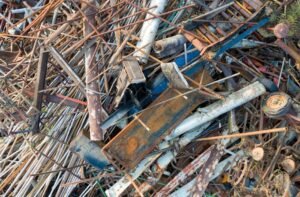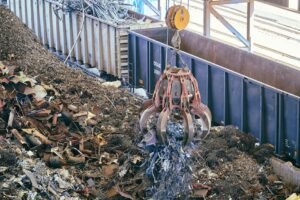

For residents and businesses in South West Sydney, a scrap yard Ingleburn serves as a crucial hub for the circular economy, transforming what is often considered waste into valuable raw materials. This comprehensive guide will delve into the intricate world of scrap metal, explaining the different grades you’ll encounter, the step-by-step process of how metal recycling works, and the profound environmental benefits that make using your local scrap yard a responsible choice. Whether you’re a first-time visitor or a seasoned trader, understanding these elements ensures you get the best value for your materials and contribute positively to our planet.
Understanding Scrap Metal Grades: From Household Junk to Premium Alloys
Not all scrap metal is created equal. The value of your scrap is determined by its type, purity, and condition. A professional metal recycler like those found at a top-tier scrap yard Ingleburn will meticulously sort incoming materials into distinct categories. This grading is essential as it dictates the price you’ll receive and how the metal will be processed.
Ferrous Metals: The Magnetic Majority
Ferrous metals contain iron, making them magnetic and prone to rusting (corrosion). They are typically heavier and are the most commonly recycled metals by volume.
- Light Iron/Steel: This category includes old whitegoods (washing machines, dryers, fridges—after degassing), sheet metal, and thin steel framing. It’s one of the most common types brought into a recycling depot.
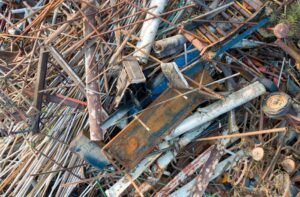
- Heavy Melting Steel (HMS 1 & 2): This is thicker, structural steel. Think of old machinery, car bodies (after removal of non-ferrous parts), and large beams. HMS 1 is clean and prepared steel, while HMS 2 may have slight coatings or attachments.
- Cast Iron: Easily identifiable by its brittle, granular appearance. Common examples are engine blocks, old bathtubs, and industrial machinery bases.
Non-Ferrous Metals: The High-Value Players
Non-ferrous metals do not contain iron, are not magnetic, and are generally more resistant to corrosion. This category holds the most valuable scrap and is often subdivided into countless specific grades.
- Copper: The king of scrap metal due to its excellent conductivity and high demand. Grades include #1 Copper (clean, uncoated wire or tubing), #2 Copper (slight solder or coating), and Copper Wire (insulated cable).
- Aluminium: Lightweight and common. Grades range from clean extrusions (window frames) and cast aluminium (engine parts, lawnmower bases) to contaminated foil or mixed pieces.
- Stainless Steel: A valuable ferrous alloy that behaves like a non-ferrous metal due to its corrosion resistance. It’s sorted by series (e.g., 304, 316). Old kitchen sinks, appliances, and commercial kitchen equipment are typical sources.
- Brass & Bronze: Copper alloys. Brass is yellow and often found in plumbing fittings, taps, and door handles. Bronze is reddish-brown and used in bearings, bushings, and some sculptures.
- Lead, Zinc, and Specialty Alloys: This includes car batteries (lead), die-cast zinc (e.g., from hardware fixtures), and high-temperature alloys like Inconel from aerospace applications.
Familiarising yourself with these grades before you visit a metal scrap yard can significantly impact your payout. A reputable yard like Zores Scrap Yard Your Trusted Destination For Scrap Metal will have transparent pricing per grade and staff who can help you identify your materials.
The Metal Recycling Process: A Journey from Scrap to New Product
Ever wondered what happens to your scrap after you drop it off? The process is a sophisticated industrial operation that ensures materials are recovered efficiently and safely.
Step 1: Collection and Weigh-In
The journey begins when you, a walk-in customer, bring your scrap to the yard. Your vehicle is driven onto a large, certified industrial scale for a gross weight. After you unload your materials into the designated areas, your vehicle is weighed again empty. The difference is the tare weight, giving the net weight of your scrap metal for which you will be paid.
Step 2: Sorting and Separation
This is the most critical step for quality control. Yard workers, often using tools like magnets and visual inspection, sort the scrap into the precise grades mentioned above. Advanced yards may use sensors, shredders, and air separation systems to automate this process. Proper sorting is what allows a metal recycler to guarantee the purity of the bales they sell to smelters.
Step 3: Processing and Preparation
To reduce volume and make transportation more efficient, sorted metals are processed. This can involve:
- Shearing: Hydraulic shears cut large pieces of heavy steel into smaller, more manageable chunks.
- Baling: Light iron and non-ferrous metals like aluminium cans are compressed into dense, cube-shaped bales.
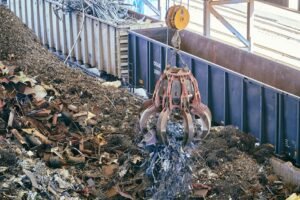
- Shredding: Cars and other mixed metal items are fed into massive industrial shredders that hammer them into small, fist-sized pieces. These pieces are then further separated using magnets (to remove ferrous material) and air currents (to remove light non-metallic fluff).
Step 4: Melting and Purification
The prepared scrap is shipped to a smelter or mill. Here, it is melted down in enormous furnaces. Each type of metal requires a specific furnace and melting temperature. During melting, samples are taken and analysed to determine the precise chemical composition. Alloys can be adjusted by adding pure elements to meet exact customer specifications. Impurities rise to the surface as slag, which is skimmed off.
Step 5: Solidification and Distribution
The molten metal is poured into moulds to form ingots, bars, or slabs. It can also be cast directly into new products. These new raw materials are then sold to manufacturers who use them to create everything from new beverage cans and building beams to car parts and wiring. This completes the loop, ensuring the metal lives on indefinitely. The entire operation at a facility like the Crg Scrap Yard is designed to feed this vital industrial cycle.
The Profound Environmental Benefits of Scrap Metal Recycling
Choosing to recycle metal at a scrap yard is one of the most impactful individual actions you can take for the environment. The benefits are multi-faceted and significant.
Conservation of Natural Resources and Energy Savings
Mining virgin ore is an incredibly destructive and energy-intensive process. It involves deforestation, massive open-pit mines, and the consumption of vast amounts of water and fossil fuels. Recycling metal circumvents this almost entirely.
- Aluminium: Recycling aluminium saves an astonishing 95% of the energy required to produce new aluminium from bauxite ore.
- Copper: Recycling uses up to 85% less energy than primary production.
- Steel: Recycling conserves over 70% of the energy needed to make new steel from iron ore.
This massive energy saving directly translates to a drastic reduction in greenhouse gas emissions, helping to combat climate change.
Reduction in Landfill Waste and Pollution
Metal is permanent; it does not decompose in a landfill. A car body or washing machine will sit there for centuries, taking up valuable space. Furthermore, as metals corrode, they can leach chemicals and heavy metals into the soil and groundwater, creating long-term pollution hazards. By diverting this material to a recycling depot, we dramatically reduce the strain on landfill sites and prevent soil and water contamination.
Preservation of Landscapes and Ecosystems
As mentioned, mining is catastrophic for local ecosystems. It destroys habitats, leads to biodiversity loss, and can cause severe erosion and water pollution from runoff. By providing an alternative source of raw material, metal recycling reduces the demand for new mining operations, thereby helping to preserve natural landscapes and the species that depend on them. Using a service like ScrapTrade connects you to this sustainable supply chain effortlessly.
Practical Tips for Preparing Your Scrap in Ingleburn
To ensure a smooth, safe, and profitable trip to your local scrap yard, follow these expert tips:
- Sort and Separate: Your time is money. Sort your metals into different piles (copper, aluminium, steel, etc.) before you go. Clean, separated metal almost always fetches a higher price than a tangled mess of mixed materials.
- Clean Your Metal: Remove any non-metal attachments. Take the steel nuts and bolts off that aluminium bracket. Strip insulation from copper wire—bare bright copper is the most valuable grade. A little effort in preparation can significantly increase your payout.
- Know What’s Not Accepted: Be aware of hazardous materials. Most yards will not accept items containing refrigerants (like old air conditioners or fridges unless they have been professionally degassed), fuel tanks that haven’t been purged, or items contaminated with oils, chemicals, or asbestos. Always call ahead if you’re unsure.
- Bring ID: Due to strict regulations aimed at preventing theft, all reputable scrap yards require sellers to provide photo identification (e.g., a driver’s licence). This is a standard and necessary procedure.
- Safety First: Wear appropriate clothing—sturdy closed-toe shoes, gloves, and long pants. Be mindful of your surroundings in the yard, watch for heavy equipment, and follow all instructions from yard personnel.
Why Choose a Local Ingleburn Scrap Yard?
While you might have options, using a local scrap yard Ingleburn offers distinct advantages. You support the local economy and create jobs within your community. You also minimise the carbon footprint associated with transporting your scrap over long distances. Local yards build relationships with their customers, offering reliable service and expert advice. For a comprehensive directory of local options, you can always search for a Metal Scrap Yard Near Me to find the most convenient and reputable service provider. Establishing a relationship with a trusted local metal scrap yard ensures you always have a fair and knowledgeable partner for your recycling needs.
The Economic Impact: How Scrap Recycling Fuels Industry
Beyond the environmental gains, the scrap metal industry is a powerful economic engine. It is a multi-billion dollar sector in Australia that provides raw materials at a lower cost to domestic manufacturing and construction industries, making them more competitive. It creates employment at every stage, from the collection and processing at a scrap yard to the transportation and smelting operations. For individuals, it provides a source of extra income, turning unused items clogging up the garage into cash in hand. For businesses, it’s an effective waste management strategy that can also improve the bottom line. Platforms like Scrap.Trade are innovating this space, making it easier than ever for generators and processors to connect and trade efficiently.
Conclusion: Your Role in the Sustainable Cycle
Visiting a scrap yard in Ingleburn is far more than just a transaction; it’s an active participation in a global sustainability effort. By understanding the grades of metal, you empower yourself to get fair value. By comprehending the intricate recycling process, you gain an appreciation for the industry’s complexity. And by acknowledging the staggering environmental benefits, you can take pride in your contribution to conserving resources, saving energy, and protecting our planet for future generations. So, gather that unused metal, prepare it properly, and take it down to your trusted local scrap yard. It’s a simple act with a powerful impact.
Frequently Asked Questions
What types of identification do I need to bring to sell scrap metal in Ingleburn?
All reputable scrap yards in Ingleburn require a valid government-issued photo ID, such as a driver’s licence, to sell scrap metal. This is a mandatory requirement under state regulations designed to prevent metal theft and ensure a transparent chain of custody for all materials received.
How should I prepare copper wire to get the best price?
To get the best price for copper wire, you should strip off all plastic insulation to achieve ‘bare bright’ copper. This is the cleanest and highest-paying grade. If stripping is not feasible, clean, unburnt insulated copper wire is the next best category. Dirty or burnt wire will be graded lower and paid less.
Do scrap yards in Ingleburn pick up scrap metal from my location?
Many scrap yards in Ingleburn offer pick-up services for large, commercial quantities of scrap metal, such as from construction sites or factory clean-outs. For smaller amounts from households, it is typically more cost-effective for individuals to transport their scrap to the yard themselves as a walk-in customer.
What items are typically not accepted at a scrap yard?
Scrap yards generally cannot accept hazardous materials. This includes appliances with refrigerants (fridges, air conditioners) that haven’t been professionally degassed, gas bottles or fuel tanks that haven’t been purged and cut open, and items contaminated with asbestos, oil, chemicals, or other dangerous substances. Always call the yard ahead to confirm.